
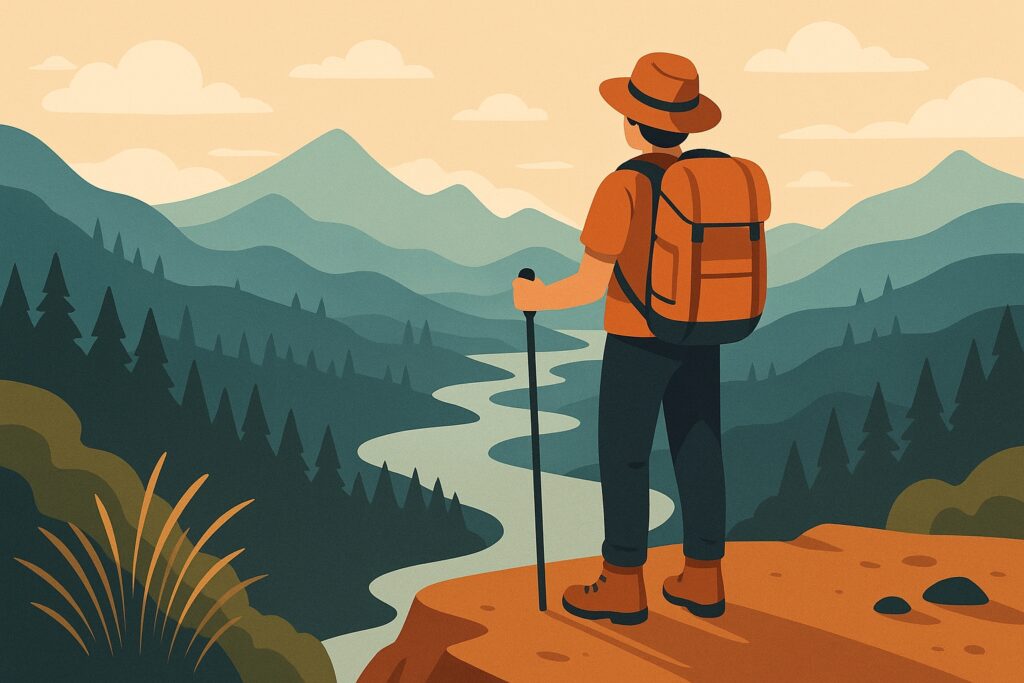
Adventure travel mailtogzip simple words appears at the top of this guide to help new travelers. The guide uses plain words. It gives clear steps and short lists. It keeps safety, budget, and basic gear simple. It helps readers decide what trip to pick. It prepares readers to leave home with confidence and common sense.
Key Takeaways
- Adventure travel combines physical activity, learning, and new experiences, ranging from day hikes to multiweek treks.
- Planning an adventure trip involves matching activity type and skill level to your fitness and budget for a safe and enjoyable experience.
- Setting a clear budget with transport, gear, food, and emergency funds helps control costs effectively during adventure travel.
- Prioritize safety by understanding risks, learning basic first aid, purchasing appropriate insurance, and informing someone about your travel plans.
- Packing light with layered clothing, essential gear, and respect for local customs enhances comfort and reduces stress on your trip.
- Following simple steps like early booking, consistent pacing, and respecting local rules ensures a smooth and memorable adventure travel experience.
What Adventure Travel Really Means — Clear Definition And Common Types
Adventure travel mailtogzip simple words defines adventure travel as travel that adds active challenge or new skills to a trip. It mixes outdoor activity, travel, and learning. It often includes hiking, cycling, kayaking, and wildlife watching. It can also include cultural stays where people learn local crafts or farming work. It can range from a one-day hike to a multiweek trek.
They call a trip “adventure” when it changes routine and asks for physical effort or mental focus. People seek new views, new foods, and new routines. People accept some risk but plan to reduce it. People pack light and stay flexible.
Common types often fit simple labels. Day trips include guided hikes and short rides. Multi-day trips include camping, boat trips, and mountain treks. Soft-adventure trips include guided wildlife tours and easy hikes. Hard-adventure trips include long treks, technical climbs, and self-guided routes.
This guide keeps language plain so readers can compare types. It shows common gear and common costs. It offers simple safety habits. It helps readers match their fitness and budget to a trip type.
How To Plan An Adventure Trip In Easy Steps (Safety, Budget, And Timing)
Step 1: Pick the activity and the skill level. They match the trip to their current fitness and skills. They choose a one-day or multi-day trip. They choose guided or independent travel.
Step 2: Set a clear budget. They list transport, gear, food, and guide fees. They add a small emergency fund. They compare local costs online and in forums. They pick dates that cut costs and reduce crowding.
Step 3: Check safety needs. They list common risks for the activity. They learn basic first aid and the route. They buy travel insurance that covers the activity. They tell a friend or family member the plan and the return date.
Step 4: Plan timing and pace. They avoid extreme weather months. They allow rest days for multi-day trips. They plan start and end times each day. They leave margin for delays.
Step 5: Book key items early. They reserve transport and guide slots. They confirm lodging and any permits. They keep copies of permits and tickets on their phone and on paper.
Step 6: Check gear and training. They list required items and practice with them. They train short hikes with a loaded daypack or short rides on local roads. They replace risky gear before the trip.
These steps help readers control costs and risk. They help travelers enjoy the trip more. They keep choices simple and direct.
Practical Checklist And Quick Tips For Your First Adventure
Packing checklist
- Pack a light daypack and a small duffel. They avoid heavy bags.
- Pack layered clothing. They add or remove layers with the weather.
- Pack rain gear and sun protection. They bring a hat and SPF.
- Pack a basic first-aid kit and any personal medicine.
- Pack a water filter or purifier tablets for long trips.
- Pack a headlamp and extra batteries.
- Pack a map and a simple compass. They keep a charged phone as backup.
Quick tips for safety and comfort
- Tell someone the route and check-in time. They set simple check-in rules.
- Start early to avoid heat and to finish daylight tasks.
- Move at a steady pace and rest often. They compare their pace to plan.
- Eat and drink at set times. They keep energy steady.
- Leave no trace. They pack out trash and follow local rules.
Money and documents
- Carry a small cash reserve and one backup card. They hide backup cards in a safe place.
- Scan passport and permits and store digital copies in email.
- Check visa rules well before travel dates.
Local rules and respect
- Read simple local rules for wildlife and cultural sites. They follow local guides and signs.
- Ask before taking photos of people. They show respect and follow local norms.
Final checks before departure
- Charge all devices and pack spare power. They test key gear.
- Confirm transport times and guide pick-up points.
- Sleep well the night before travel.
This checklist keeps the start of a trip calm. It helps readers focus on the day and on simple choices. It removes common last-minute stress.