
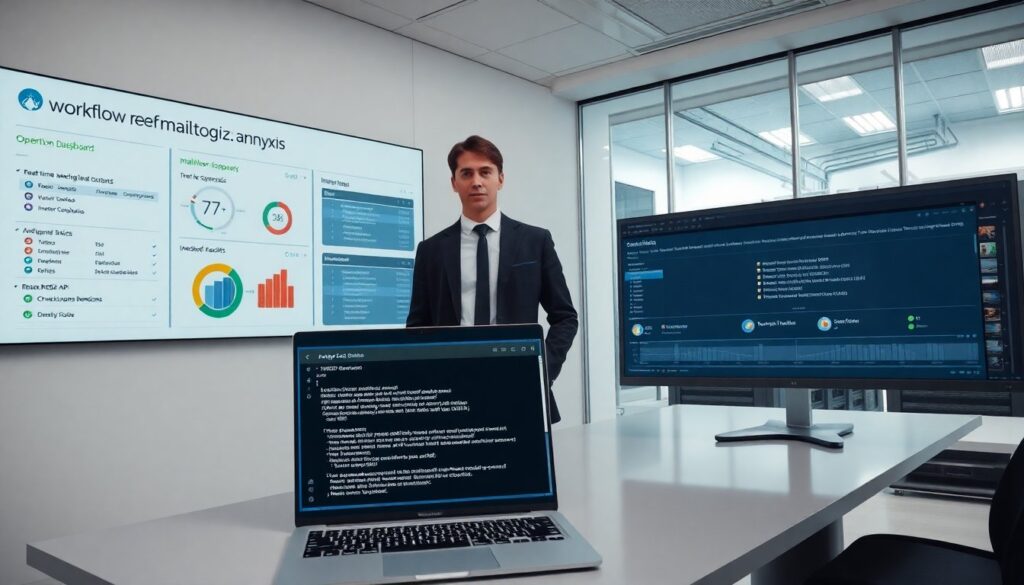
The workflow reef mailtogzipanyxis automates email ingestion, compression, and indexing. It reduces storage use and speeds search. IT teams adopt this workflow when they need fast ingest and compact archives. The guide gives clear steps, required tools, and quick tips. It aims to help teams set up the workflow reef mailtogzipanyxis and run it reliably in production.
Key Takeaways
- The workflow reef mailtogzipanyxis automates email ingestion, compression, and indexing to save storage space and speed up search capabilities.
- It captures incoming mail from sources like IMAP, POP3, or SMTP relay, normalizes payloads, and creates JSON manifests for metadata consistency.
- Compressed .tar.gz archives include manifests for efficient indexing by Anyxis without full decompression, enabling fast and searchable archives.
- Implementation requires Linux or common cloud hosts, gzip tools, and Anyxis software, with automated scheduling recommended for reliable operation.
- Monitoring ingestion throughput, compression latency, and indexing success is crucial, with tuning options like increasing workers or CPU and enforcing retry logic for errors.
What The Reef MailToGzipAnyxis Workflow Does And When To Use It
The workflow reef mailtogzipanyxis captures incoming mail, compresses payloads, and indexes content for search. It moves messages from mail servers into a compressed archive. It then sends compressed files to Anyxis for index building. Teams use the workflow when they need to save disk space and keep fast search. They use it when message volume grows or when compliance requires archived copies. The workflow centralizes mail capture and creates a standard compressed format. It reduces transfer time and lowers storage cost while keeping messages searchable via Anyxis.
Prerequisites, Supported Platforms, And Required Tools
The workflow reef mailtogzipanyxis requires a mail source, a host to run processing, gzip tools, and Anyxis indexing software. Supported mail sources include IMAP, POP3, and SMTP relay. Supported hosts include Linux x86_64 and common cloud VMs. The required tools include a mail fetcher (fetchmail or custom agent), a normalization script, gzip, and the Anyxis CLI or API client. The host needs Python 3.10+ or Go runtime depending on the agent choice. The network must allow mail access and API calls to Anyxis. They should allocate enough CPU and disk I/O for peak ingest.
Step‑By‑Step Implementation: Ingest, Compress, And Index
This section breaks the workflow reef mailtogzipanyxis into capture, compress, and index steps. Each step uses clear tools and simple scripts. Teams can automate each step with systemd timers, cron, or container schedulers. The workflow keeps file names and metadata consistent so Anyxis can map messages to records.
Capture Incoming Mail And Normalize Payloads
The agent polls the mail server and saves raw messages. It extracts headers, body, and attachments. It then converts encodings to UTF-8. The agent writes a JSON manifest that lists message metadata. The manifest includes message-id, from, to, date, subject, and attachment names. The agent validates the manifest for schema conformance. The workflow reef mailtogzipanyxis keeps one manifest per batch to speed later processing. The agent flags malformed messages for review and moves valid items to the compress stage.
Compress, Archive, And Manage Gzip Output
The compressor reads the manifest and groups messages by batch. It creates a tar archive and then runs gzip to produce .tar.gz files. It names files with a timestamp and batch id so Anyxis can track them. It stores compressed files in a local archive or uploads them to object storage. It retains the manifest inside the archive so Anyxis can extract metadata without full decompression. The compressor rotates archives based on size, age, or retention rules. The workflow reef mailtogzipanyxis enforces checksums for each archive to prevent silent corruption.
Feed Compressed Files Into Anyxis For Indexing And Search
The indexer sends archive metadata to Anyxis via the API. It attaches the archive location, checksum, and manifest reference. Anyxis pulls the archive or receives a push, then extracts the manifest and message parts. Anyxis builds inverted indexes and stores references to archived blobs. The indexer monitors Anyxis jobs and retries failed uploads. The indexer reports status to a central dashboard. The workflow reef mailtogzipanyxis lets teams search compressed content without full restores. Anyxis returns quick hits and direct archive links for retrieval.
Common Troubleshooting, Performance Tuning, And Monitoring Tips
They should monitor three areas: ingestion throughput, compression latency, and indexing success. They should watch queue depth and API error rates. If ingestion lags, increase agent workers or tune IMAP concurrency. If compression slows, use faster disks or increase CPU for parallel gzip streams. If Anyxis indexing fails, check manifest schema and archive checksums. They should enable retry logic for transient network errors. They should set retention rules and run periodic integrity checks on stored archives. They should log each step with structured JSON to help alerts and audits. The workflow reef mailtogzipanyxis benefits from dashboard alerts for failed jobs, rising latencies, and storage anomalies.